


.png)







One of the most common reasons a brand project runs over time and over budget is not creative disagreement. It is unclear decision-making on the client side. This post explains how decisions should work in a well-run project and what you can do to set things up correctly from the start.
The decision-making problem
Most clients enter a brand project without having explicitly thought about how decisions will be made. There is an assumption that it will become clear as things progress. In practice, this creates problems at exactly the moments when clarity is most needed: when a creative direction needs to be chosen, when feedback on the identity system is due, when the guidelines are being finalised.
Without a clear decision-making structure, reviews get passed around internally. Multiple people with different views contribute feedback that has not been consolidated. The studio receives contradictory input. Rounds of work multiply. The project extends.
The single decision-maker principle
The most important thing to establish before a project begins is who has final say. Not who is consulted, not who has opinions worth hearing, but who makes the call when there is disagreement. That person needs to be genuinely available throughout the project, not just at the start and the end.
In our experience, the best projects are ones where the founder or CEO is the decision-maker and is engaged throughout. They understand the strategic stakes. They can make calls quickly. They are not waiting for approval from someone else.
Projects where decision-making is distributed across a committee, or where the person with final authority is not actively involved, almost always take longer and produce worse outcomes.
How feedback should work
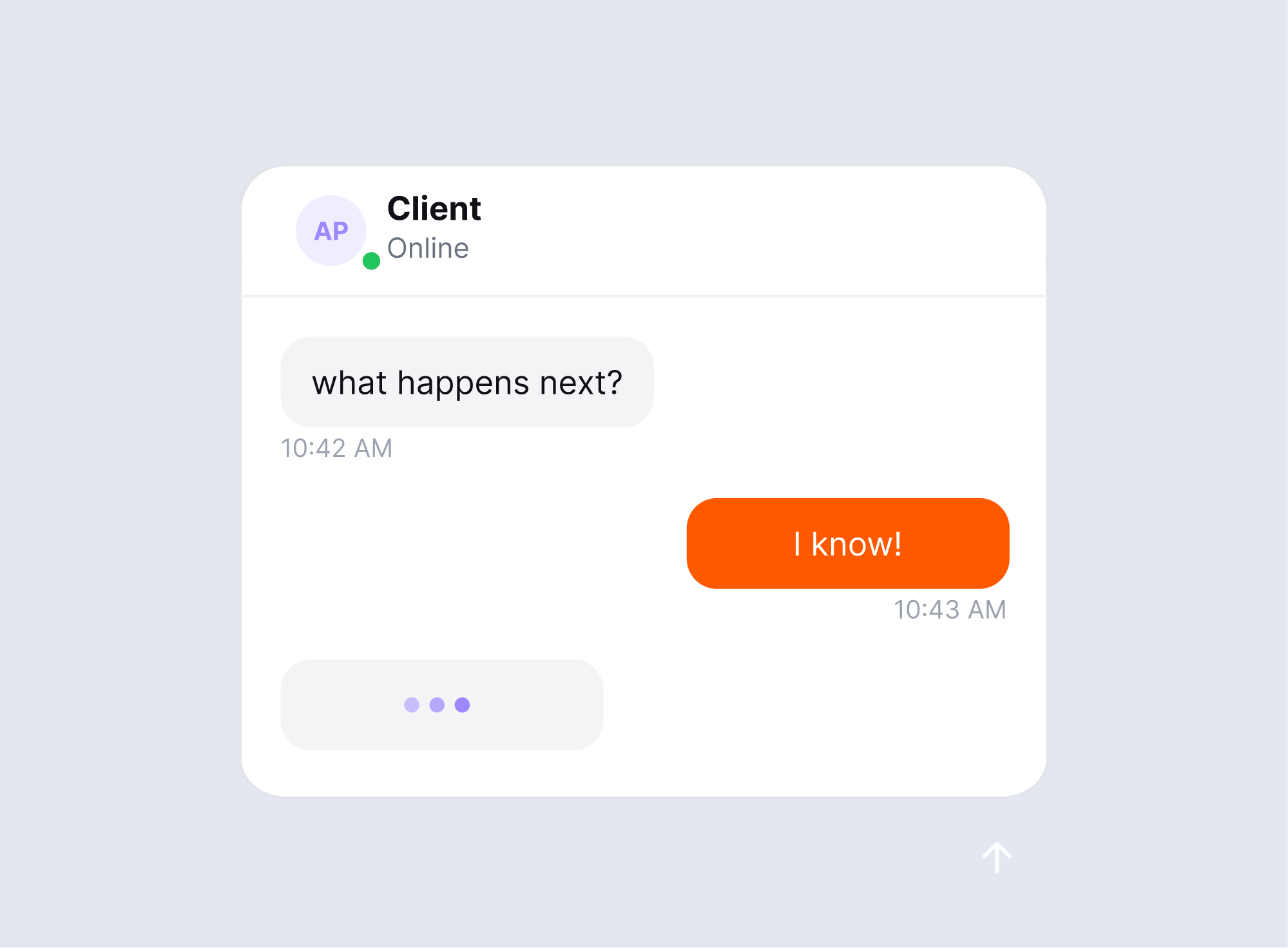
Good feedback is specific, consolidated, and anchored to the brief. It says: this does not feel right for this reason, and here is what we were expecting based on the positioning document. It does not say: I am not sure I love this, or some of the team feel it is not quite there yet.
Vague feedback is not useful. It cannot be acted on without interpretation, and interpretation introduces the risk of getting further from what the client actually wants rather than closer.
Before submitting feedback at any stage, consolidate it internally. One set of comments from one decision-maker is far more productive than multiple rounds of individual reactions.
When to push back
A good studio will push back when feedback contradicts the brief or moves the work in a direction that is strategically incorrect. This is not stubbornness. It is part of the service.
If you approved a positioning document that said the brand should communicate precision and technical rigour, and then feedback on the identity says it feels too cold, the right response is to have a conversation about whether the positioning needs to be revisited, not to make the identity warmer in a way that contradicts the strategy.
Trust the process. The stages are sequential for a reason. Decisions made early in the project are supposed to constrain the decisions that come later. That constraint is what produces coherence.
Define how your company is understood

Insights on B2B Branding